Tooth loss is more than a cosmetic concern, as it can gradually impact oral health, bite alignment, and everyday function if left untreated. While dentures and bridges remain common, dental implants are widely regarded as a long-term solution that closely restores the strength of your teeth.
Understanding the cost, procedure, and expected outcomes is essential before committing to treatment. At Coast Dental, patients are guided through each stage with clear planning and flexible payment options. Book a consultation with our trusted dentist in Christies Beach to explore what’s right for you.
What Are Dental Implants?
Dental implants are a clinically recognised option for replacing missing teeth, designed to support function and restore the appearance of your smile. A typical implant consists of:
- A small titanium post is placed in the jawbone.
- An abutment that connects the post to the restoration
- A custom-made crown that replaces the visible part of the tooth
This three-part structure allows dental implants in Christies Beach to provide a stable and natural-looking result, depending on individual circumstances.
With appropriate care and regular dental check-ups, implants may offer a long-term tooth replacement option. However, suitability and outcomes can vary from person to person.
How Much Do Dental Implants Cost in Christies Beach?
The cost of dental implants in Christies Beach can vary, as it depends on several individual factors rather than a fixed price. A consultation with a dentist is the best way to receive an accurate estimate based on your specific needs and treatment plan.
Some of the key factors that influence the overall cost include:
- Number of implants needed
- Bone grafting requirements
- Implant material and crown type
- Complexity of the treatment
Types of Dental Implants
There are different types of dental implants available, and the right option depends on your oral health, bone structure, and the number of teeth being replaced. A personalised consultation helps determine the most suitable approach for your needs.
- Single tooth implants: Used to replace one missing tooth with a single implant post and crown.
- Implant-supported bridges: Suitable for replacing multiple missing teeth in the same area, using fewer implants to support a fixed bridge for added stability.
- Full-arch implants: Designed to replace a complete upper or lower set of teeth, offering a more secure and permanent alternative to traditional dentures.
- All-on-4 implants: A full-arch solution that uses four strategically placed implants to support an entire set of teeth.
What is the Dental Implant Procedure?
The dental implant procedure is completed in stages, allowing time for proper healing and long-term stability. While timelines can vary, most treatments follow a structured process tailored to each patient’s oral health needs.
Step 1: Consultation and Assessment
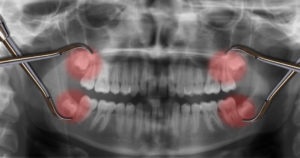
The process begins with a detailed examination, where the dentist assesses your oral health, bone structure, and suitability for treatment. It may include scans or X-rays to plan the placement of the implant.
Step 2: Implant Placement
A small titanium post is carefully placed into the jawbone to act as the foundation for the replacement tooth. You will be given a local anaesthetic to ensure comfort during the procedure.
Step 3: Healing and Osseointegration
Over the following weeks or months, the implant gradually integrates with the surrounding bone in a process known as osseointegration. It’s important for creating a stable base for the final restoration.
Step 4: Crown Placement
Once healing is complete, an abutment and custom-made crown are attached to the implant. The crown is designed to blend with your natural teeth in shape and colour, supporting both function and appearance.
Benefits of Dental Implants
Here are some of the benefits of getting a dental implant:
- Natural appearance: Dental implants are designed to closely match the look and feel of natural teeth.
- Long-lasting solution: With proper care and regular dental visits, dental implants can last for many years, making them a durable tooth-replacement option.
- Improved chewing ability: Dental implants provide a stable foundation that can help you restore normal chewing function.
- Supports jawbone health: Dental implants function like natural tooth roots, which can help maintain bone density and structure.
- Maintains overall oral health: Unlike some alternatives, dental implants do not rely on neighbouring teeth for support, helping preserve the surrounding tooth structure.
Are You a Candidate for Dental Implants?
- If you have one or more missing teeth, you may be suitable for dental implants as a replacement option.
- If your gums are generally healthy, it can support better healing and long-term implant stability.
- If you have adequate bone in the jaw, it may allow the implant to be placed securely. However, additional procedures may sometimes be considered.
- If you maintain good oral hygiene habits, it can help support the success and longevity of the implant.
- If your overall health is stable, you may be better suited for the healing process involved in implant treatment.
- If you do not have untreated dental issues such as active gum disease, it can improve the likelihood of a favourable outcome.
- If you are willing to attend regular dental check-ups, it can help monitor and maintain the implant over time.
Dental Implant Recovery and Aftercare
Recovery from a dental implant procedure usually takes a few weeks. The gums heal within one to two weeks, while the implant fuses with the jawbone over several months.
It’s important for you to maintain good oral hygiene during recovery. Brushing, careful flossing, and following your dentist’s instructions will help you prevent complications.
Regular follow-up visits are important. Your dentist will check healing, monitor the implant, and ensure it remains stable and healthy.
Alternatives to Dental Implants
- Dentures are removable appliances that replace missing teeth and can improve appearance and function. However, they may feel less stable and require daily removal and cleaning.
- Dental bridges are fixed restorations that fill gaps using adjacent teeth for support. While they restore chewing and appearance, they may require altering healthy neighbouring teeth.
Dental implants are often preferred because they provide a long-lasting solution that preserves bone and does not rely on surrounding teeth. They look and function more like natural teeth, making them a reliable option for many patients.
Conclusion
Dental implants provide a reliable and long-term solution for replacing missing teeth while supporting oral health. They can improve chewing, prevent bone loss, and help maintain the structure of surrounding teeth, making them a highly effective option for many patients.
Consulting with a professional dentist is essential to determine your suitability, discuss treatment options, and plan a personalised approach that meets your needs. At Coast Dental, patients receive guidance, modern treatment options, and flexible payment plans to make dental implants accessible. Book a consultation today to take the first step toward restoring your smile.
Frequently Asked Questions (FAQs)
How long do dental implants last?
Dental implants can last many years, and in some cases decades, with proper care. Their longevity depends on factors such as oral hygiene, regular dental check-ups, and lifestyle habits. The implant itself is designed to be durable, while the crown may need to be replaced over time due to normal wear.
Are dental implants painful?
Dental implant procedures are generally not considered painful, as they are performed under local anaesthesia to keep you comfortable. You may experience mild discomfort, swelling, or sensitivity after the procedure, as with other dental treatments.
How long does the implant procedure take?
The dental implant process usually takes several months from start to finish, depending on your individual needs. While the implant is often placed in a single appointment, healing time is required for the implant to integrate with the bone before the final crown is fitted.
Can smokers get dental implants?
Yes, smokers can receive dental implants, but smoking may affect healing and long-term success. It can reduce blood flow to the gums and increase the risk of complications, which is why your dentist will carefully assess your individual circumstances. If you smoke, you may be advised on ways to support better healing outcomes before and after the procedure.
How soon can I eat after implant surgery?
You can usually eat shortly after implant surgery, but it’s recommended to stick to soft foods initially. Foods like yoghurt, soups, and mashed vegetables are often more comfortable while the area heals. As recovery progresses, you can gradually return to your normal diet based on your dentist’s advice.
What factors affect the cost of dental implants?
The cost of dental implants is influenced by several factors, including the number of implants required, the condition of your jawbone, and whether additional procedures such as bone grafting are needed. The type of implant, materials used for the crown, and the complexity of the treatment plan also play a role. A personalised consultation allows your dentist to assess these factors and provide a more accurate estimate tailored to your needs.
Does insurance cover dental implants?
Insurance coverage for dental implants can vary depending on your provider and the level of coverage. Some health funds may partially cover certain aspects of the treatment, such as the crown or related procedures. We recommend you check directly with your health fund and discuss your options with your dental clinic to better understand your coverage.
How do I care for dental implants?
Caring for dental implants involves maintaining good oral hygiene and attending regular dental check-ups. Brushing twice daily, flossing carefully around the implant, and keeping the surrounding gums healthy are essential for long-term success. It’s also important to follow any specific aftercare instructions provided by your dentist.